Understanding Muscle Recovery
Muscle recovery is a vital aspect of physical wellness and performance, playing a significant role in how effectively the body heals and strengthens after exertion. This physiological process involves a series of bodily responses that restore muscle fibers, replenish energy stores, and remove metabolic waste products that accumulate during physical activity. Understanding the mechanics behind recovery can aid in optimizing athletic performance and overall health.
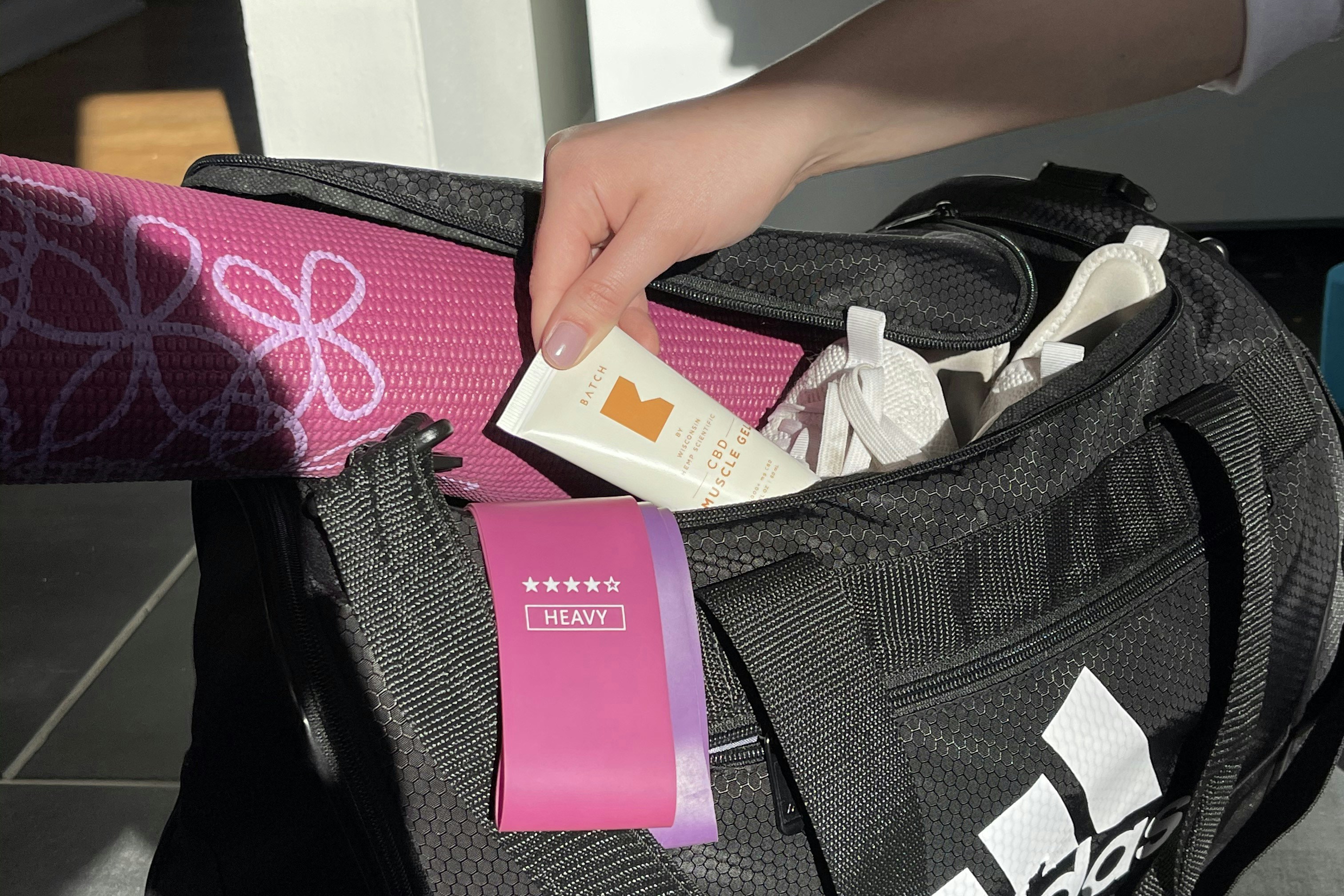
Muscle soreness is commonly attributed to various factors, including intense exercise, particularly when engaging in unfamiliar or strenuous activities. This condition, often referred to as delayed onset muscle soreness (DOMS), represents the micro-tears that occur within the muscle tissue. These tears, while a natural part of the body’s adaptation to exercise, can lead to discomfort and indicate the need for an effective recovery protocol.
A well-structured recovery plan is essential not only for alleviating muscle soreness but also for preventing potential injuries. Engaging in recovery strategies can aid in reducing the risk of strains, sprains, and more severe musculoskeletal injuries that might arise from neglecting the healing process. The significance of rest cannot be overstated; adequate sleep and downtime allow the body to repair itself and promote muscle growth through the release of essential hormones.
Nutrition and hydration also play pivotal roles in muscle recovery. Consuming a balanced diet rich in proteins, carbohydrates, and healthy fats ensures the body receives the necessary nutrients to support cellular repair. Hydration restores fluid balance, which is crucial for maintaining optimal muscle function and performance. Additionally, gentle movement, such as stretching and low-intensity exercise, promotes blood circulation and aids in muscle recovery.
Incorporating home remedies into traditional recovery methods can further enhance the recovery process. Techniques such as applying heat or cold, utilizing topical treatments, and employing foam rollers can provide additional benefits alongside proper nutrition and hydration. Together, these elements create a comprehensive approach to muscle recovery that not only supports healing but also fosters a stronger foundation for future physical activities.
Essential Home Remedies for Recovery
Muscle recovery is an essential aspect of physical wellbeing, and several natural remedies can significantly aid in this process. One of the most well-known ingredients is turmeric, which contains curcumin, a compound recognized for its anti-inflammatory properties. Incorporating turmeric into your diet, whether through supplements or as a spice in meals, can help reduce muscle soreness and accelerate recovery. Additionally, ginger, another potent anti-inflammatory, can be consumed in various forms, such as teas or smoothies, to further support the healing process.
Epsom salts are frequently used in therapeutic baths due to their high magnesium content. Soaking in Epsom salt bath can promote the absorption of magnesium through the skin, helping to relax tight muscles and alleviate pain. This method not only eases discomfort but also aids in detoxification, making it a popular choice among athletes and fitness enthusiasts alike.
Moreover, the application of hot and cold therapies serves as a practical approach to muscle recovery. Heat therapy, such as heating pads or warm baths, enhances blood circulation and loosens stiff muscles, making them more pliable. Conversely, cold therapy, including ice packs or cold compresses, is effective in minimizing inflammation and numbing sharp pain after intense physical activity. Alternating between hot and cold treatments can provide comprehensive relief and promote better recovery outcomes.
When integrating these home remedies into a recovery routine, safety should be prioritized. For instance, ensure that hot baths are at a comfortable temperature and that ice packs are wrapped in cloth to avoid skin irritation. Each individual may respond differently to these remedies, so initial experimentation with small doses is advisable. By employing these natural ingredients and practices, you may experience enhanced muscle recovery, reduced discomfort, and improved overall wellbeing.
Stop Soreness. Start Recovery.
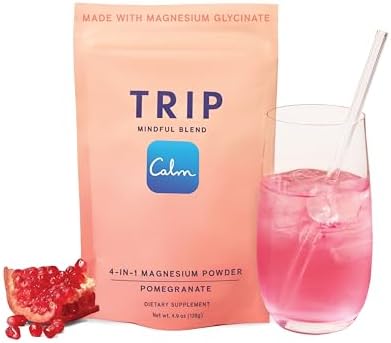
Maximize your gains and minimize your downtime. These powerful supplement is engineered to fuel muscle repair and crush DOMS, so you’re always ready for your next set


Top Products for Muscle Treatment: Massage Guns and More
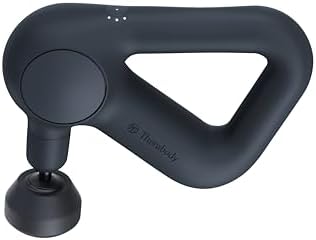
In recent years, the market for muscle treatment products has witnessed significant growth, with innovations designed to enhance recovery and wellness. Among these innovations, massage guns have emerged as a leading option for individuals seeking effective at-home relief. These handheld devices utilize rapid pulsations to penetrate deep into muscle tissue, aiding in the alleviation of soreness and tension. Their ease of use and portability make them particularly appealing for those who engage in regular physical activity or experience muscle strain.
When selecting a massage gun, it is essential to consider factors such as power, battery life, and attachments. A quality device should feature multiple speed settings to allow customization based on one’s specific needs, whether easing tightness or promoting circulation. Additionally, look for ergonomic designs to ensure comfortable operation during use. User reviews often highlight the effectiveness of these devices in reducing muscle stiffness and improving recovery time, making them a valuable addition to any wellness routine.
Beyond massage guns, other notable products can complement muscle treatment strategies. Foam rollers are a popular choice for self-myofascial release, helping to alleviate muscle tightness and improve flexibility. Compression sleeves also play a vital role in recovery, boosting circulation and reducing swelling. For targeted relief, massage balls are effective in addressing trigger points and knots within muscles. Each of these tools offers unique benefits, allowing individuals to create a personalized recovery regimen based on their specific requirements.
When considering these options, it is helpful to evaluate your needs, preferences, and lifestyle. User recommendations emphasize that combining these products can yield optimal results, ultimately enhancing overall muscle treatment efficacy. Whether opting for a massage gun, foam roller, or compression sleeves, integrating these tools into your routine may facilitate a smoother recovery and improve your immediate wellbeing.
Don’t Just Rest. Recover. Stop Living with Soreness. Start Recovering with Precision. Here are some products that will do just that!


Heres a quick video you might be interested in to see about how they work and see if its right for you.
Creating a Holistic Wellbeing Routine
Establishing a holistic wellbeing routine is essential for effective muscle recovery and overall health. Such a routine integrates various home remedies, products, and practices tailored to individual needs. To begin, identifying a timeline for recovery is crucial. This timeline can vary significantly, depending on the severity of injuries or muscle soreness. It is beneficial to consult healthcare professionals to gain insights into an appropriate duration for recovery, ensuring a balanced approach.
Incorporating a variety of practices is vital for optimal results. This may include a combination of physical therapies, herbal remedies, nutritional adjustments, and mindfulness techniques. For instance, integrating gentle stretching exercises can complement the effectiveness of topical muscle treatments, while maintaining a well-balanced diet fortified with essential nutrients can enhance healing processes. Additionally, incorporating mindfulness practices, such as meditation or deep breathing, can reduce stress and promote relaxation, further aiding recovery.
Consistency is key in any holistic recovery routine. It is essential to commit to regularly scheduled sessions, whether they involve physical therapy, herbal treatments, or restorative practices. Taking a disciplined approach enhances the effectiveness of the various methods employed. However, listening to one’s body throughout this process is equally important. Individuals should remain attuned to how their body responds and adjust their routines accordingly. This includes recognizing signs of stress or fatigue and allowing adequate time for recovery.
Ultimately, creating a personalized routine provides individuals with a framework for their recovery journey. By actively engaging in the process and adapting based on personal experiences, individuals can take significant strides toward enhanced wellbeing. This proactive approach encourages individuals to take responsibility for their health, fostering a deeper connection with their bodies and encouraging long-term recovery.